
Why Catalog Embroidery Fabric: A Crafter's Guide
Discover why catalog embroidery fabric is essential for crafters. Optimize your projects by reducing common failures and ensuring quality results.
Why Catalog Embroidery Fabric: A Crafter's Guide
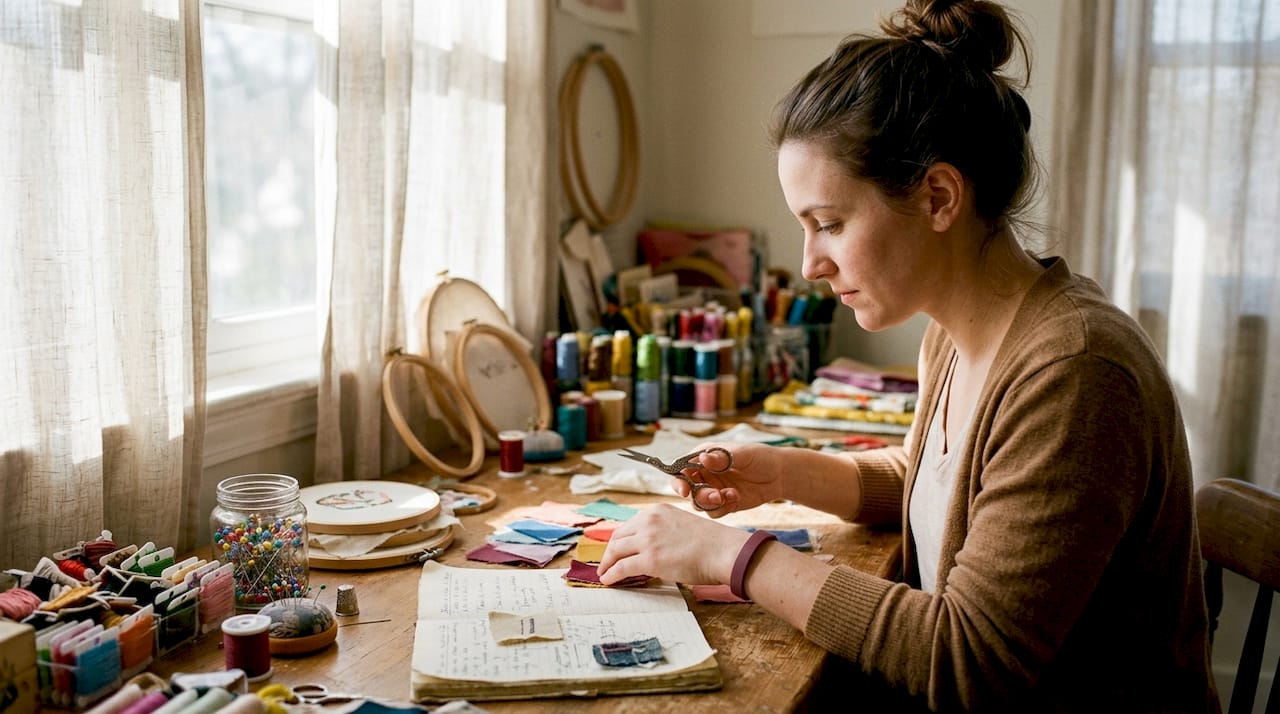
Cataloging embroidery fabric is the process of systematically documenting fabric properties to optimize stitch quality and prevent project failures. When you record fiber type, weight, stretch, and texture for each fabric in your stash, you create a reference system that matches materials to the right needles, threads, and stabilizers before you ever hoop up. Cataloging embroidery fabric reduces common failures like puckering, distortion, and thread breakage by over 50%. That number reflects what happens when you stop guessing and start working from documented data. A fabric catalog is not a luxury for advanced stitchers. It is the foundation of consistent, repeatable embroidery work.
Why catalog embroidery fabric: the core case
A fabric catalog works because embroidery is a system. Every project connects four variables: fabric, needle, thread, and stabilizer. Change one without adjusting the others, and the whole system breaks down. System-based configuration of these four elements is the primary method for eliminating structural embroidery failures. That means your catalog is not just a list of fabrics. It is a map of how each fabric fits into that system.
Embroidery professionals confirm that no two fabrics should be treated equally. The nuanced interactions between fabric structure and stitch behavior are what separate a clean finish from a puckered mess. A catalog captures those interactions so you can apply them again and again without running new tests every time.
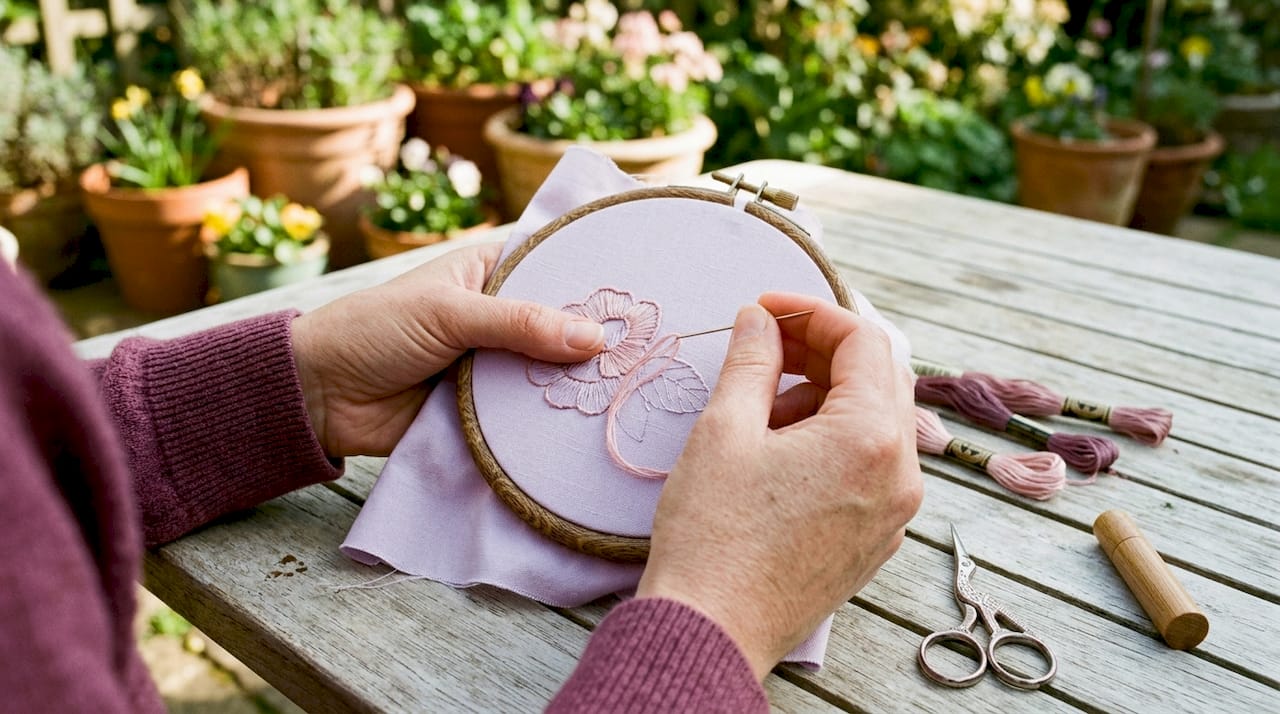
The practical payoff is significant. Fabric documentation reduces waste and increases repeatability, which matters whether you stitch one project a month or run a small creative business. Knowing that your medium-weight cotton canvas handles dense fills without distortion is information worth keeping.
What fabric properties should you catalog?
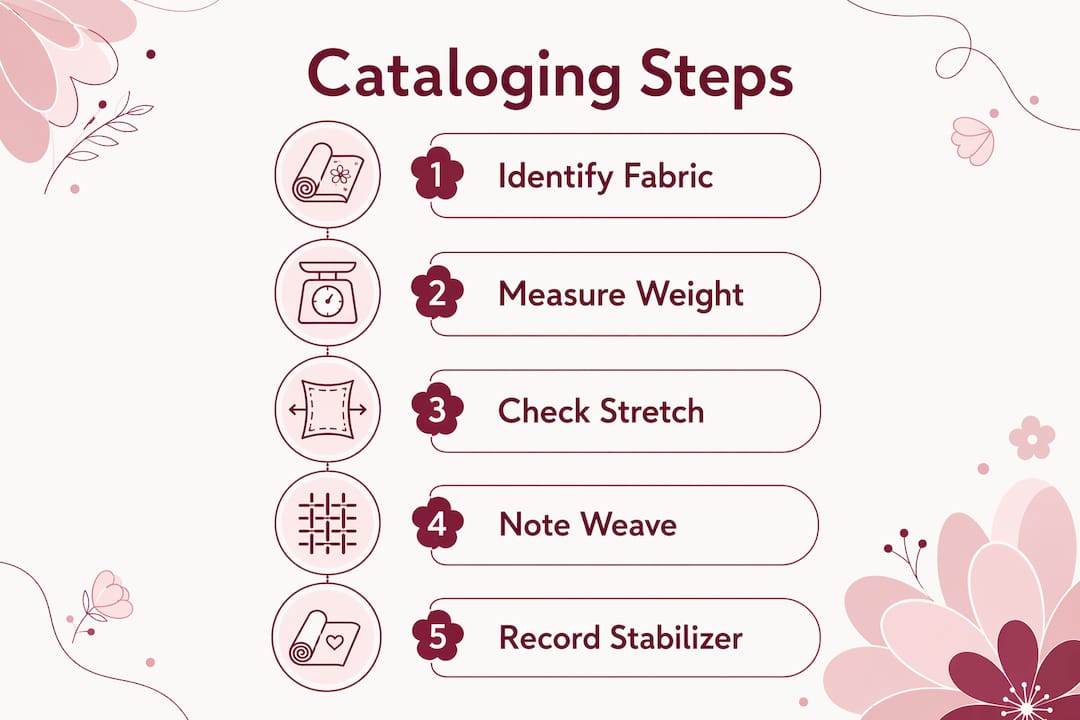
The most useful fabric catalog records five core properties for every piece of material you own.
- Fiber type. Natural fibers like cotton and linen absorb stabilizer adhesive differently than synthetics like polyester or nylon. Fiber type influences stabilizer choice and washing durability, so recording it upfront prevents mismatches later.
- Fabric weight in GSM. Grams per square meter (GSM) tells you how much stitch tension a fabric can handle. High-density designs require heavy-duty fabrics because lighter materials cannot support the stitch tension without puckering or tearing.
- Stretch and elasticity. Knit fabrics stretch in one or two directions. That stretch creates distortion risk during hooping and stitching. Knits require cut-away stabilizers to prevent distortion during and after stitching, so noting stretch level in your catalog directly informs stabilizer selection.
- Weave structure and texture. Tight plain weaves hold stitches cleanly. Loose weaves, even when technically woven, behave like knits under stitch tension, causing stitches to sink into the fabric. Plush or textured surfaces reduce design readability for fine detail work.
- Needle type compatibility. Ballpoint needles work with knits because they push through loops rather than piercing them. Sharp needles suit tight wovens. Recording the correct needle type alongside each fabric saves setup time on every future project.
Pro Tip: Attach a small fabric swatch to your catalog entry. A physical sample next to your written notes makes identification instant, especially when fabrics look similar in photos.
How does cataloging improve project planning?
A fabric catalog turns project planning from a guessing exercise into a lookup process. The benefits compound the more entries you add.
- Faster material matching. When you start a new project, you check your catalog for fabrics that match the design's stitch density and complexity. You skip the trial-and-error phase entirely.
- Stabilizer selection without testing. Your catalog already records which stabilizer worked with each fabric. Fabric and stabilizer must work in harmony, and wrong combinations cause puckering, sinking stitches, and fabric damage. A catalog entry eliminates that risk.
- Repeatable results. When a fabric-design combination works well, you document it. The next time you need a similar result, you replicate the setup exactly. Fabric documentation saves time and reduces material waste by removing redundant testing.
- Durability prediction. Fabric weight and fiber content predict embroidery longevity after laundering. If you are making a kitchen towel or a wearable item, your catalog tells you which fabrics hold up through repeated washing before you commit to the project.
- Stitch density matching. Dense designs need fabrics with enough structural support to hold hundreds of stitches per square inch. Your catalog flags which fabrics can handle that load and which ones cannot.
The planning advantage is especially clear when you manage multiple works in progress at once. Flipping between projects is far less disruptive when your material decisions are already documented and ready to reference.
How to build and maintain a fabric catalog
The most effective fabric catalogs share a consistent structure. Every entry covers the same data points, which makes comparison and lookup reliable.
- Record these data points for each fabric: fiber content, GSM or weight category (light, medium, heavy), stretch direction and degree, weave type or surface texture, recommended needle type, and compatible stabilizer types.
- Add a physical swatch. A small clipped sample stapled or taped to an index card gives you a tactile reference that no photo fully replaces. Label the card with the fabric name, source, and purchase date.
- Include test results. If you have already stitched on a fabric, note what worked and what did not. Record the design type, stitch density, and any issues like puckering or thread breakage. This turns your catalog into a personal knowledge base.
- Note end-use suitability. Mark each fabric as suitable for wearables, home decor, hoops, or all three. Laundering and end-use requirements dictate which fabrics belong in which projects, and a quick label saves you from rereading every entry each time.
For digital records, a spreadsheet with one row per fabric works well. Columns for each data point make filtering easy. You can sort by fiber type to find all your cotton fabrics, or filter by stretch level to identify knit-safe options quickly.
Pro Tip: Use Flossom's fabric stash tracking feature to log fabric entries digitally. The Pro tier includes fabric stash tracking alongside thread inventory, so your entire material stash lives in one place and syncs across all your devices.
A data table helps you see how different fabric categories map to their requirements:
| Fabric type | Weight range | Stabilizer type | Needle type |
|---|---|---|---|
| Cotton quilting fabric | Medium (130–180 GSM) | Tear-away | Sharp/Microtex |
| Knit jersey | Light to medium | Cut-away | Ballpoint |
| Linen | Medium to heavy | Tear-away or cut-away | Sharp |
| Fleece | Heavy | Cut-away | Sharp or embroidery |
| Loose-weave woven | Light to medium | Cut-away or stabilizer topping | Sharp |
This kind of reference, built from your own tested fabrics, becomes more accurate and useful than any generic chart.
Common fabric selection pitfalls and how a catalog prevents them
Fabric selection errors follow predictable patterns. A catalog addresses each one directly.
- Puckering. The most common embroidery failure. It happens when the stabilizer cannot control fabric movement under stitch tension. Wrong fabric-stabilizer combinations cause puckering consistently. A catalog entry that records the correct stabilizer for each fabric eliminates this by default.
- Thread breakage. Dense designs on lightweight fabrics create excessive needle friction and thread stress. Your catalog flags fabrics by weight, so you match stitch density to fabric capacity before the project starts.
- Fabric distortion. Stretchy fabrics shift during hooping and stitching when the stabilizer does not match the fabric's elasticity. Cataloging stretch level alongside stabilizer type prevents this mismatch.
- Design detail loss. Plush fabrics like velvet or fleece obscure fine stitch detail. Treating all fabrics equally is a documented mistake among embroiderers. A catalog that notes surface texture steers you toward bold, simple designs on textured fabrics and saves fine detail work for smooth, tight-weave materials.
- Repeat mistakes. Without notes, you repeat the same errors on the same fabrics. A catalog entry that records what went wrong and why turns a failure into a permanent lesson.
The organized stash approach applies directly here. When your fabric data is documented and accessible, you stop making decisions from memory and start making them from evidence.
Key Takeaways
Cataloging embroidery fabric is the most direct way to prevent puckering, thread breakage, and distortion by matching every fabric to the correct needle, stabilizer, and thread before stitching begins.
| Point | Details |
|---|---|
| Record five core properties | Log fiber type, GSM, stretch, weave, and needle type for every fabric you own. |
| Stabilizer matching is critical | Wrong stabilizer choices cause puckering and distortion; your catalog prevents this by recording what works. |
| Catalog test results | Note what succeeded and what failed on each fabric to build a personal knowledge base over time. |
| Predict durability | Fiber content and weight predict how embroidery holds up after washing, which matters for wearables and home decor. |
| Digital tools speed up the process | Apps like Flossom centralize fabric and thread data, making your catalog searchable and always accessible. |
Why I think most crafters wait too long to start a fabric catalog
The honest truth is that most stitchers start cataloging only after a painful failure. A ruined piece of linen, a puckered hoop gift, or a thread-breaking marathon on the wrong jersey fabric. I understand the impulse to skip the documentation step. It feels administrative when you want to be creative.
But here is what I have found: a fabric catalog does not slow you down. It removes the friction that was already slowing you down. When I stopped treating every project as a fresh experiment and started pulling from documented results, my setup time dropped and my finish rate went up. The creative decisions got easier because the technical ones were already made.
Starting a catalog feels like a big task. It is not. Begin with the fabrics you already own and use most. Record five data points per entry. Add a swatch. That is a complete entry. Do ten fabrics in an afternoon and you have a working catalog. The thread inventory approach translates directly to fabric: same logic, same payoff.
The crafters I have seen make the fastest progress are not the ones with the most fabric. They are the ones who know exactly what their fabric can do.
— Simone
Flossom makes fabric cataloging part of your stitching routine
Keeping a fabric catalog by hand works, but it gets unwieldy fast. Flossom's Pro tier includes dedicated fabric stash tracking alongside full thread inventory management, so your materials live in one organized, searchable place.
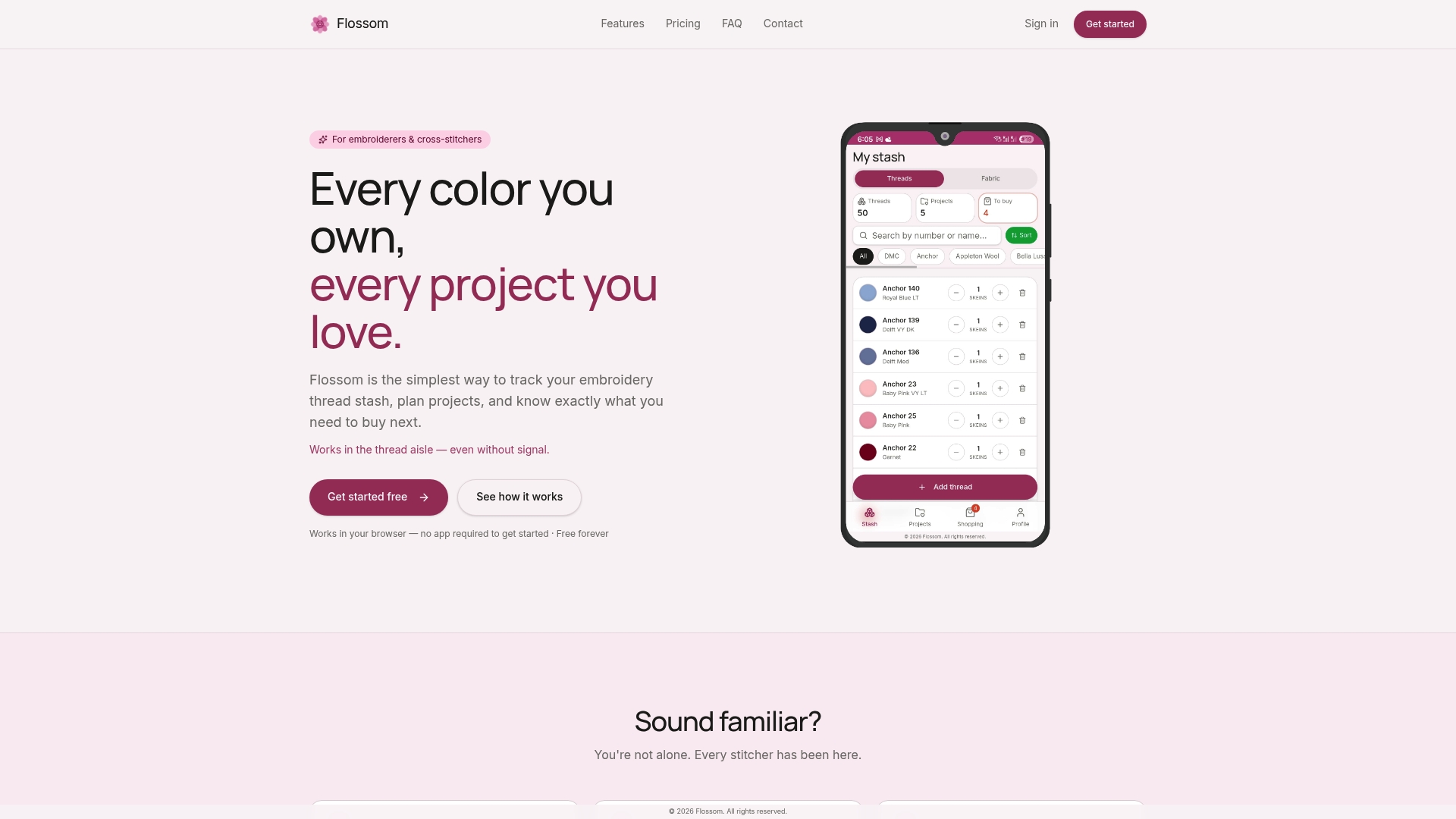
You can log fabric properties, attach notes from past projects, and access everything across your phone, tablet, and desktop without losing a single entry. Flossom also auto-generates shopping lists by comparing what your pattern needs against what you already own, which means your fabric catalog feeds directly into your project planning. The free tier covers unlimited stash entries and three active projects. Pro removes every limit and adds the fabric tracking, barcode scanner, and camera color picker. Explore Flossom's full toolkit and see how much faster your next project comes together.
FAQ
What does it mean to catalog embroidery fabric?
Cataloging embroidery fabric means systematically recording each fabric's properties, including fiber type, weight, stretch, and texture, so you can match it correctly to needles, threads, and stabilizers for every project.
What are the most important properties to record in a fabric catalog?
Fiber type, fabric weight in GSM, stretch direction, weave structure, and compatible stabilizer type are the five properties that most directly affect embroidery outcomes and should appear in every catalog entry.
How does a fabric catalog prevent puckering?
Puckering results from a mismatch between fabric movement and stabilizer strength. A catalog records which stabilizer works with each fabric, so you apply the correct one from the start rather than discovering the problem mid-stitch.
Do I need a digital tool to catalog embroidery fabric?
A physical card file with swatches works well for small stashes. Digital tools like Flossom scale better, allow filtering and searching, and sync across devices, making them more practical as your fabric collection grows.
How often should I update my fabric catalog?
Update your catalog every time you stitch on a new fabric or discover new information about an existing one. Adding test results and wash performance notes after each project keeps the catalog accurate and genuinely useful over time.
Recommended
We make Flossom — the calm app for cross-stitchers and embroiderers who want their stash, projects, fabric and shopping list in one tidy place.