
Cataloging Your Craft Stash: Why It Pays Off Fast
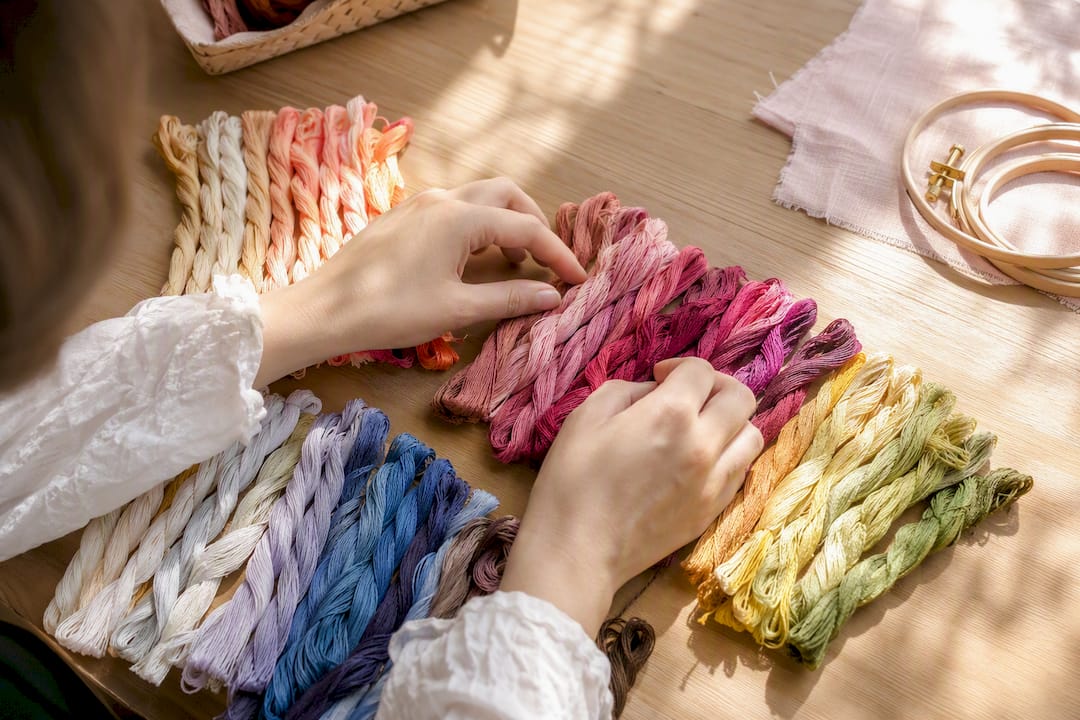
Cataloging Your Craft Stash: Why It Pays Off Fast ! Hands sorting embroidery floss by color on fabric Cataloging your stash prevents duplicate purchases, saves money, speeds up project planning, and protects your supplies for insurance and estate purposes.
Cataloging Your Craft Stash: Why It Pays Off Fast
Cataloging your stash prevents duplicate purchases, saves money, speeds up project planning, and protects your supplies for insurance and estate purposes. If you've ever bought a third skein of DMC 3865 because you couldn't remember what was already in the drawer, you already know the problem it solves. Here's what a working catalog gets you:
- No more duplicate thread, fabric, or kit purchases
- Faster shopping trips because you know exactly what's missing
- Documentation ready for insurance claims or appraisals
- Less mental clutter and more time actually stitching
- A record you can hand off, sell, or donate with confidence
The rest of this piece breaks down the specific reasons cataloging matters, then hands you a starter plan you can finish in one sitting.
Key Takeaways
Cataloging your stash pays for itself by preventing duplicate purchases, speeding up project planning, and giving you documentation insurers and appraisers actually require.
| Point | Details |
|---|---|
| Start small, start now | Photograph and log your top 10 to 50 items in one 30 to 90 minute session. |
| Match detail to value | Keep full records for rare or costly items and one line entries for everyday supplies. |
| Log purchases immediately | The zero-second rule prevents the backlog that kills most catalog attempts. |
| Back up off-device | Cloud sync and CSV exports protect your records if a phone or laptop is lost. |
| Documentation has real value | Insurance claims and IRS Form 8283 appraisals both move faster with existing provenance records. |
Table of Contents
- Reasons to Catalog Your Stash That Actually Save You Money and Time
- A One-Session Plan to Start Cataloging Today
- Which Capture Method Fits Your Stash Size
- Habits That Keep Your Catalog From Going Stale
- Why Embroidery-Specific Tools and Real Stitching Experience Matter
- What This Research Actually Tells Stitchers to Do First
- Sources
Reasons to Catalog Your Stash That Actually Save You Money and Time
Every reason on this list traces back to one thing: knowing what you own means you stop guessing, and guessing is where the money and hours leak out.
You stop buying things you already have. Say you own some yards of 28count Lugana in Antique White, tucked in a bin under three other projects. Without a record, you order more yards at an average price because you "think" you're low. That's a costly mistake made from memory alone. Multiply that across thread, needles, and specialty fabrics over a year, and the waste adds up fast for anyone juggling more than two or three projects at once.
Your shopping lists get accurate instead of approximate. When you know exactly what colors, brands, and yardage a pattern calls for and what you already own, you buy only the gap. This is the same logic behind most practical stash-management guides, which recommend linking inventory directly to project planning rather than treating stash and pattern shopping as separate tasks.
You have what insurers actually ask for. A documented inventory with photographs and itemized entries is the baseline evidence insurers expect after theft, fire, or water damage, and a cloud-synced catalog means that record survives even if your craft room doesn't.
Donations and estate transfers get dramatically simpler. If you ever donate a valuable collection of vintage threads, patterns, or antique tools and claim a deduction over $5,000, the IRS requires a qualified appraisal for that donation. Having existing provenance records, purchase dates, and photos on hand turns a weeks-long appraisal scramble into a quick paperwork exercise for whoever handles your estate or donation.
Provenance makes resale and consignment easier. Selling a hard-to-find hand-dyed floss lot or a retired fabric line goes faster when you can show acquisition date, brand, and condition notes instead of asking a buyer to trust your memory. Systematic records like this are exactly what collectibles cataloging guides point to as the foundation for valuation and provenance trails.
It genuinely calms your brain. Sorting, labeling, and photographing your stash can trigger a "flow" state, the same absorbed, low-stress focus you get from stitching itself. Research on collecting behavior links cataloging activities to reduced stress and a sense of routine, not just tidier shelves.
It makes swapping and lending honest. A visible list of what you have and what's spoken for turns thread swaps and pattern lending into something you can track, instead of quietly hoping you remember who borrowed your variegated cottons.
A One-Session Plan to Start Cataloging Today
You don't need a weekend for this. Block off 30 to 90 minutes and cover your top 10 to 50 items: the ones you reach for most or would hate to lose.
- Photograph each item as you pick it up. One clear photo per skein, fabric cut, or kit is enough.
- Log five fields only: name, brand/color code, quantity, unit (skein, yard, pack), and storage location.
- Label the container, not every item, with a printed tag, painter's tape, or a QR code that links to its catalog entry.
- Store the record somewhere synced, not on one device, so a phone loss doesn't erase months of work.
Pro Tip: Skip full detail on everyday supplies. Save the deep records, purchase price, provenance, condition notes, for anything rare, discontinued, or expensive, and keep the rest to a one-line entry.
This tiered approach mirrors the checklist crafters use for cataloging kit contents, where speed on day one matters more than completeness.
Which Capture Method Fits Your Stash Size
A spreadsheet is the fastest way to start. Google Sheets or Excel cost nothing and let you sort by brand or color in seconds, but they get clumsy once you want to attach photos or share access with a swap group.
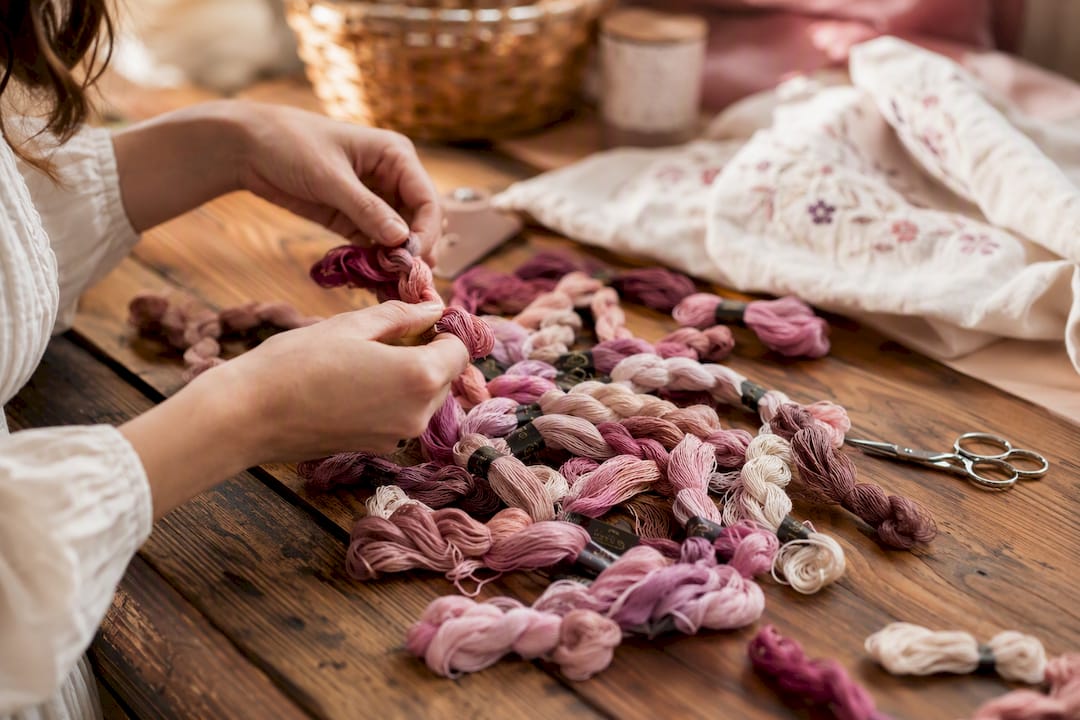
Photo-first capture, snap everything, tag loosely, search later, works well if you hate typing but are comfortable scrolling through a camera roll. Its speed depends entirely on how consistently you caption and tag, a point echoed in fabric stash management guidance.
Dedicated stash apps add capability spreadsheets can't: brand-to-brand color conversion, WIP progress photos tied to specific projects, automatic shopping lists that compare pattern requirements against what you own, and low-stock alerts before you run out mid-project. Collection-management platforms generally bundle photos, notes, and location tags for exactly this reason, insurance and resale use cases benefit from that structure.
Low-tech options still work fine for small stashes: clear bins with painter's-tape labels, or index cards sorted by brand. Choose an app once you need barcode scanning, camera-based color matching, or cross-device sync for a stash too large to eyeball.
| Method | Best for | Main limitation |
|---|---|---|
| Spreadsheet | Quick starts, small stashes | Weak on photos and sharing |
| Photo-first | Fast capture, visual browsing | Only as good as your tagging |
| Dedicated app | Brand conversion, WIP tracking, alerts | Learning curve for new users |
| Bins and cards | Very small, low-tech collections | Doesn't scale past a shelf |
Habits That Keep Your Catalog From Going Stale
A catalog that isn't updated is just an old photo album. A few habits keep it working:
- Follow the zero-second rule. Log a purchase the moment it arrives, not "later this week." Delay is where most catalogs die.
- Match record depth to value. Full details for rare or costly items, one line for everyday skeins and fat quarters.
- Run quick seasonal audits, tied to starting a new project or restocking, rather than a single annual overhaul.
- Back up with cloud sync and CSV exports so your records survive a lost phone or a swapped laptop.
- Update immediately when you sell, donate, or lend something, so the catalog reflects what's actually on your shelf.
Pro Tip: Treat your catalog as a living database, not a one-time snapshot. A snapshot only helps for isolated needs like an insurance renewal; ongoing accuracy is what actually prevents duplicate buys.
Why Embroidery-Specific Tools and Real Stitching Experience Matter
Generic spreadsheets don't know that DMC 3865 and Anchor 926 are the same color. A tool built for stitchers does. Flossom maps directly onto the needs this article covers:
- Brand conversion across 55 thread brands so you never rebuy under a different label
- Pattern upload with automatic shopping-list comparison against your existing stash
- WIP tracking with photos, plus low-stock alerts and barcode or camera-based color matching
A catalog only earns its keep if it matches how you actually stitch, brand names, skein counts, and half-finished projects included, not a generic list of "craft supplies."
Try it as one practical way to put these habits into practice.
What This Research Actually Tells Stitchers to Do First
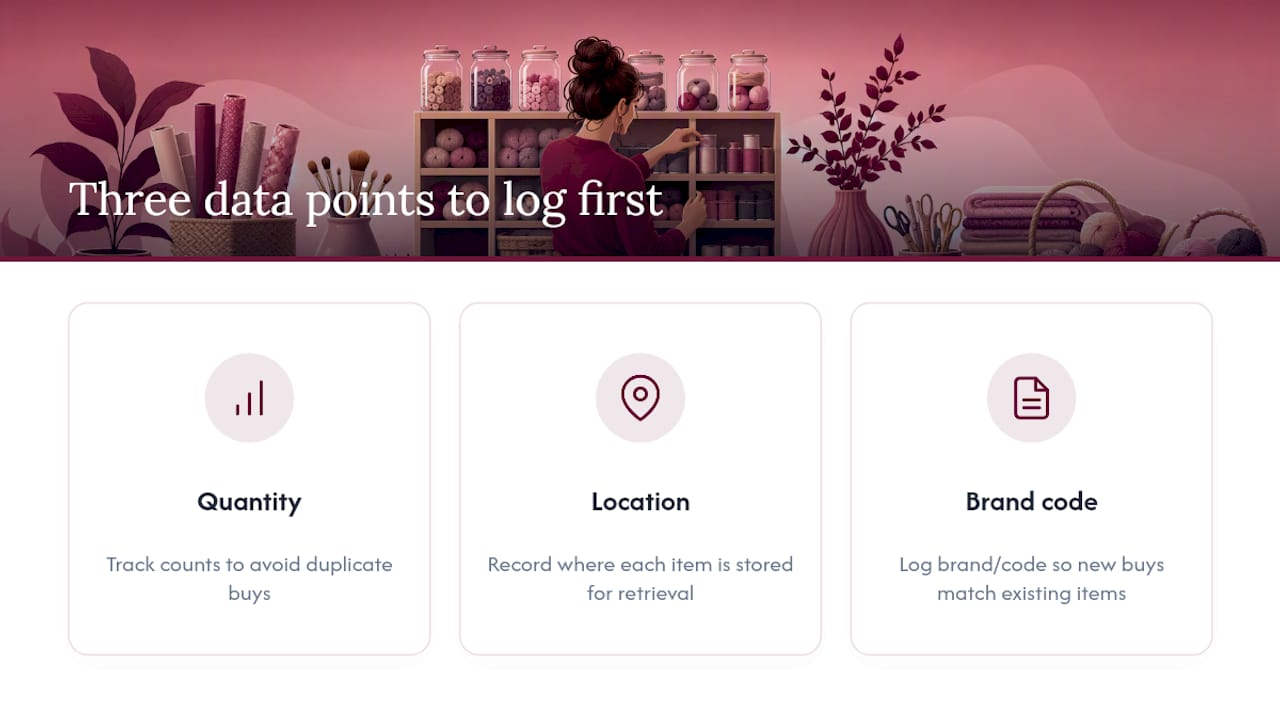
The conventional advice on stash organization usually starts with "sort everything by color family" or "buy the right bins." That's decorating, not cataloging. What actually moves the needle is knowing quantity, location, and brand code well enough to stop buying what you already own, and that requires data, not just tidiness.
Where most guides fail crafters is scope. They push exhaustive, all-at-once inventories that burn people out by week two. The useful-inventory approach, starting with your highest-value or most-used items, works because it respects the fact that you have limited hobby time and a catalog only helps if you keep using it.
If you take one thing from this: prioritize logging purchases the moment they arrive over trying to catalog your entire existing stash perfectly. A perfect record of last year's fabric matters less than an accurate one going forward. Get the habit right first. The completeness follows on its own.
— Simone
Sources
- About Form 8283 (IRS)
- How to Catalog and Inventory Your Collectibles Collection (CollectiblesAuthority)
- Mental Health and Collecting (Psychology Today)
Recommended
We make Flossom — the calm app for cross-stitchers and embroiderers who want their stash, projects, fabric and shopping list in one tidy place.